

Louisville Winter Storm Prep: The Home Safety Checklist Before the Ice Hits
Louisville does not always get dramatic winters. But when the Ohio Valley ices over, it does so in a way the city is never quite prepared for. A quarter inch of ice on every surface is more disruptive and more dangerous than six inches of snow, and unlike cities further north that build infrastructure around serious winter events, Louisville’s homes and roads were not engineered with an annual ice storm in mind.
Getting your home ready before the first freeze is less about preparing for a single dramatic event and more about closing the gaps that winter reliably finds.
Gutters and downspouts.
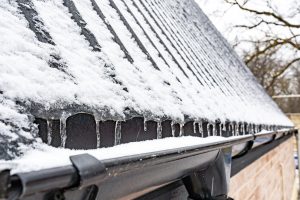
Water in a debris-loaded gutter freezes. When it freezes in the trough, it expands and puts stress on brackets and the fascia behind them. At the eave line, ice dams prevent drainage during any thaw and force water under shingles. Louisville’s winters include enough freeze-thaw cycling that gutters in poor condition consistently show significant damage by March. Clear them fully in November before the freezes arrive.
Exterior door seals and weatherstripping.
A seal that barely holds in summer fails in winter. A door whose weatherstripping has hardened or cracked over the summer lets cold air into the wall cavity and lets your LG&E bill tell you about it. Walk every exterior door before the cold arrives and press the threshold seal. Any draft means a gap worth addressing before heating season is fully underway.
Dryer vent.
A Louisville winter means the dryer runs constantly. An uncleaned vent going into that season creates two problems: the appliance works harder and costs more to run with restricted airflow, and the fire risk that comes with concentrated lint in a warm duct does not decrease because the weather outside is cold. If anything, the heating element running longer in a colder ambient environment makes the restricted duct problem worse.
Safety detectors.
Test smoke and carbon monoxide detectors before the heating season starts. The risk of CO from gas furnaces increases in winter when systems run continuously and the home is well-sealed against the cold. Any unit more than ten years old should be replaced before winter, not tested and left in place.
Exterior walkways and steps.
Soft-washing outdoor surfaces before winter removes the organic growth that becomes invisible under ice and compounds the slip hazard. A front walkway that already had algae growth before the first freeze is a meaningful fall risk when that growth is covered by a glaze of ice.
Book your pre-winter HomeSmiles service in Louisville today or start a $99/month subscription.
Related Posts
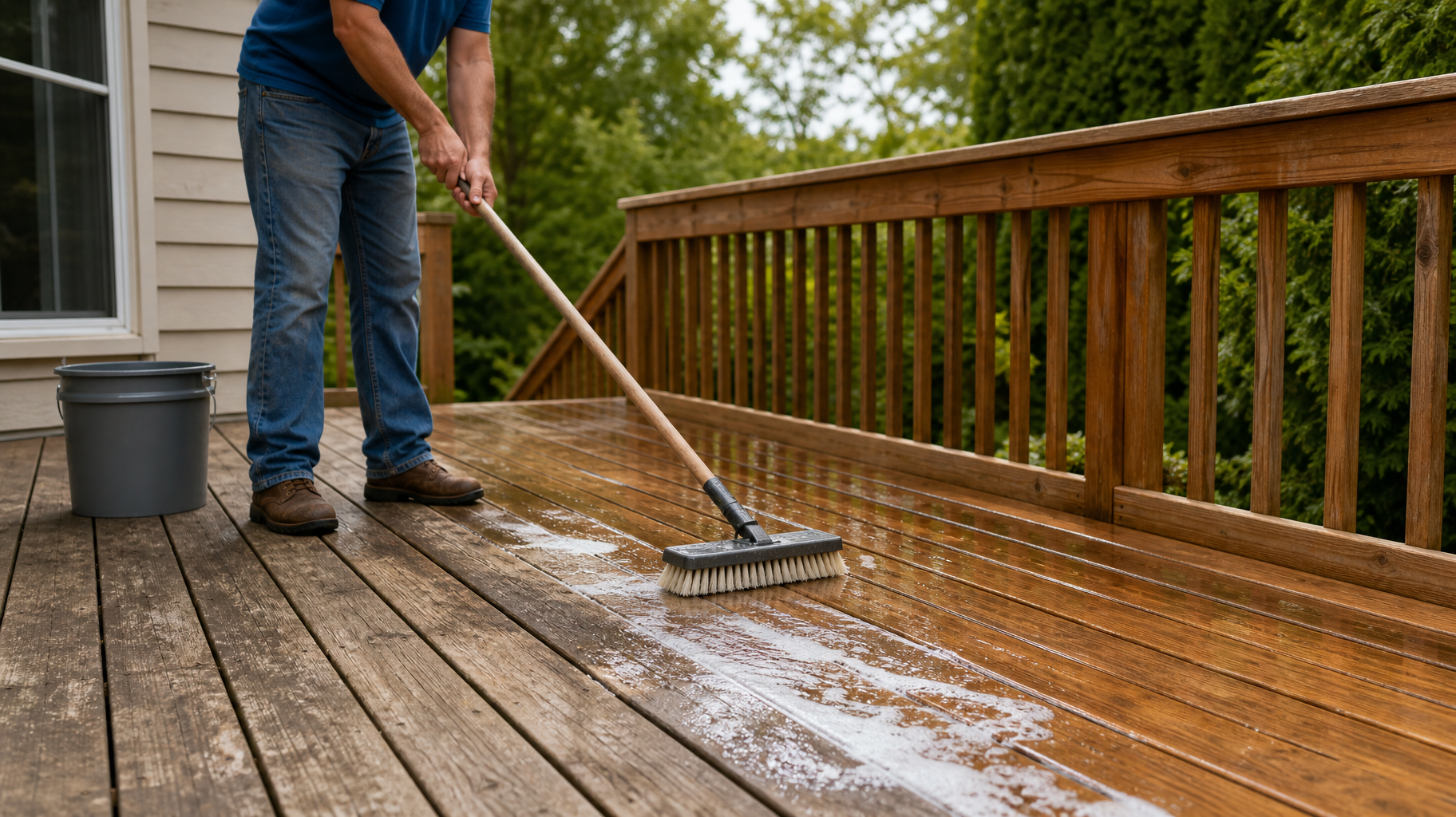
- Revitalize Your Deck: The Ultimate Guide to Deck Washing and Maintenance with HomeSmiles
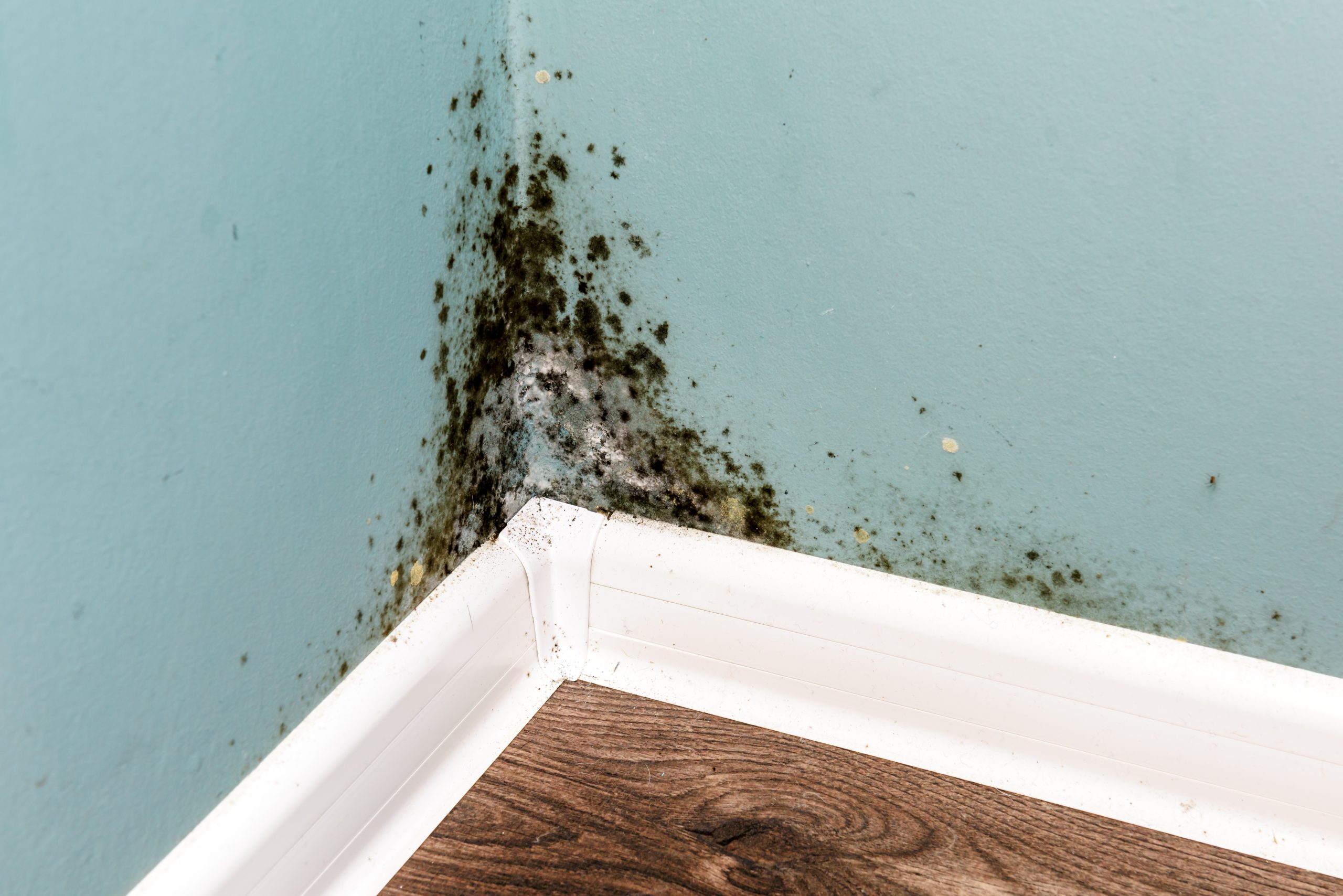
- Central Florida Home Care: Fighting Moisture, Mold, & Humidity with HomeSmiles Polk County
- 5 Reasons Louisville Homeowners Are Switching to Bundled Annual Home Maintenance
- San Antonio Home Maintenance: Expert Care for Limestone, Stucco, & Tile Roofs
- Solar Panel & Roof Washing: Maximizing Energy Efficiency in Solar-Powered North Texas Homes