


The Hidden Home Maintenance Problems Caused by Portland Oregon Weather
July in Portland feels like the city’s reward for eight months of rain. Sunny, warm, and dry enough that it is easy to forget the Willamette Valley gets 37 inches of precipitation a year and most of it falls between October and May.
That forgetting is exactly when deferred maintenance catches people off guard.
The visible damage from Portland’s winter and spring rains tends to surface in July, once things have dried out enough to actually inspect. Here is what is often hiding.
Gutter and fascia damage
Gutters that were carrying debris-heavy water all winter often have fascia boards behind them that absorbed moisture throughout the season. When you look at a dried-out fascia board in July, you may notice softness, discoloration, or the early stages of paint failure. These boards can be addressed relatively cheaply when caught early. By the time they are visibly rotting and pulling away from the structure, the repair involves more labor and more material.
Moss root damage on the roof
Portland roofs are famous for moss, and most homeowners know to treat it. What is less understood is that moss that thrived over winter has had months to extend its rhizoid structures between shingle layers. Even if the surface moss has dried and browned by July, the root systems are still there, still lifting shingle edges, still creating pathways for the next rain. Surface removal without treatment does not address what those roots have done to the shingle assembly.
Seal and weatherstripping failure
Portland’s wet winters are followed by a relatively dry and warm summer. That seasonal swing causes significant expansion and contraction in rubber seals and weatherstripping. Walk the exterior of your home in July and look for gaps around windows and doors that were not visible last fall. Those are entry points for water when November arrives.
Dryer vent moisture accumulation
This one is specific to the Pacific Northwest climate. During months of sustained rain and high indoor humidity, dryer vent ducts running through exterior walls can accumulate condensation inside the duct, which promotes lint clumping and accelerates blockage. A professional clearing removes this buildup before it becomes a fire risk heading into the next wet season.
The crawl space and basement
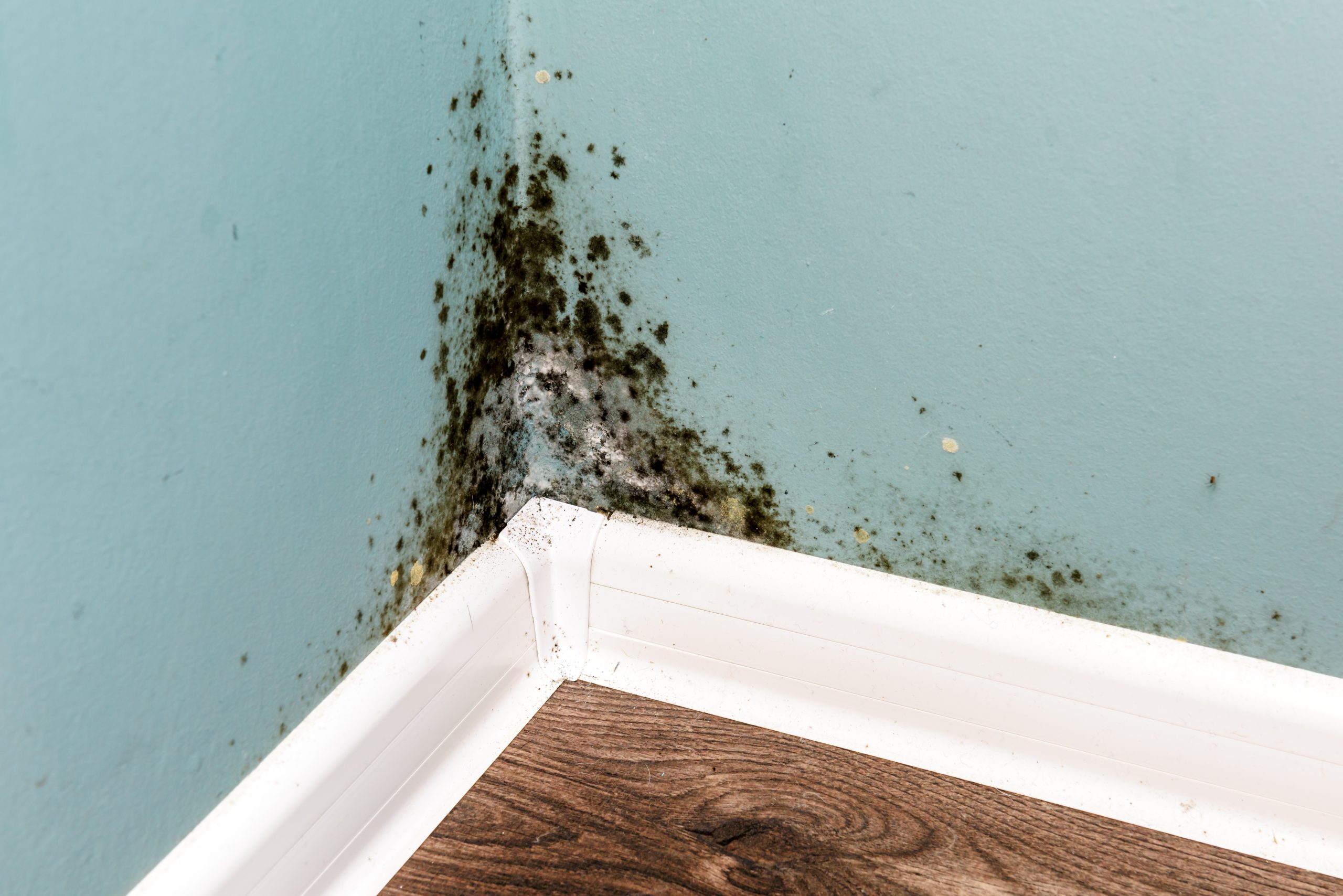
If your Portland home has a crawl space or basement, July is the right time to check it. Moisture that entered over winter should have dried by now. If you are still seeing standing water, wet insulation, or visible mold growth, that is information worth acting on well before October.
Schedule your HomeSmiles Portland service today or ask about our $99/month plan.
Related Posts

- Revitalize Your Deck: The Ultimate Guide to Deck Washing and Maintenance with HomeSmiles
- Central Florida Home Care: Fighting Moisture, Mold, & Humidity with HomeSmiles Polk County
- 5 Reasons Louisville Homeowners Are Switching to Bundled Annual Home Maintenance
- San Antonio Home Maintenance: Expert Care for Limestone, Stucco, & Tile Roofs
- Solar Panel & Roof Washing: Maximizing Energy Efficiency in Solar-Powered North Texas Homes