


Emergency Home Repairs Homeowners Face During Storm Season
Ask any contractor in the Triangle what their busiest periods are, and the answer is consistent: the weeks after significant storm events. Emergency calls spike after every major thunderstorm, and the pattern of what breaks is remarkably similar from storm to storm. Almost none of it is unpredictable. Almost all of it was preventable.
Here is what actually causes storm-season emergencies in South Wake County, and what maintenance prevents each one.
Basement and crawl space moisture intrusion.
The most common post-storm call in Wake County is water in a basement or crawl space following a heavy rain event. In most cases, the gutter system was at least partially blocked. When a summer storm delivers two to three inches of rain in under an hour, a partially blocked gutter is not functional under that volume. Water cascades over the front edge, runs down the exterior wall, and pools at the foundation perimeter. North Carolina’s red clay soil holds that water against the structure rather than draining it quickly, and the hydrostatic pressure against foundation walls produces the seepage that homeowners find the next morning. A gutter clearing and downspout flush before storm season is the preventive measure. Emergency waterproofing is the reactive one, and the cost gap between those two is significant.
Window and door seal failures.
Storm-driven rain moves horizontally at velocity, not straight down. Seals that hold adequately under normal rain can fail when water is being pushed against your exterior at angle and speed. Post-storm, water staining around window frames and door thresholds indicates a seal failure that the storm exposed. Addressing weatherstripping and caulking before storm season means knowing these pathways are closed when they are most likely to be tested.
Exterior drainage failures.
Downspouts that have been partially blocked, redirected by landscaping, or never properly tested route stormwater away from the house adequately in normal conditions but dump it at or near the foundation during a heavy event. The fix before a storm is a downspout inspection and extension where needed. The fix after meaningful foundation pressure develops is more involved.
Dryer vent and exterior cap issues.
Storm events can introduce debris into exterior vent openings if the cap was already compromised before the storm. Post-storm, check that your exterior dryer vent flap opens and closes correctly. Homes with pre-existing vent restrictions also have less margin during the extended power situations that follow significant storms, particularly if generator use introduces additional combustion risk.
Seasonal maintenance before storm season does not prevent the storm. It prevents the storm from finding what would have been an expensive problem regardless.
Book your pre-storm HomeSmiles service in South Wake County today, or ask about our $99/month plan.
Related Posts
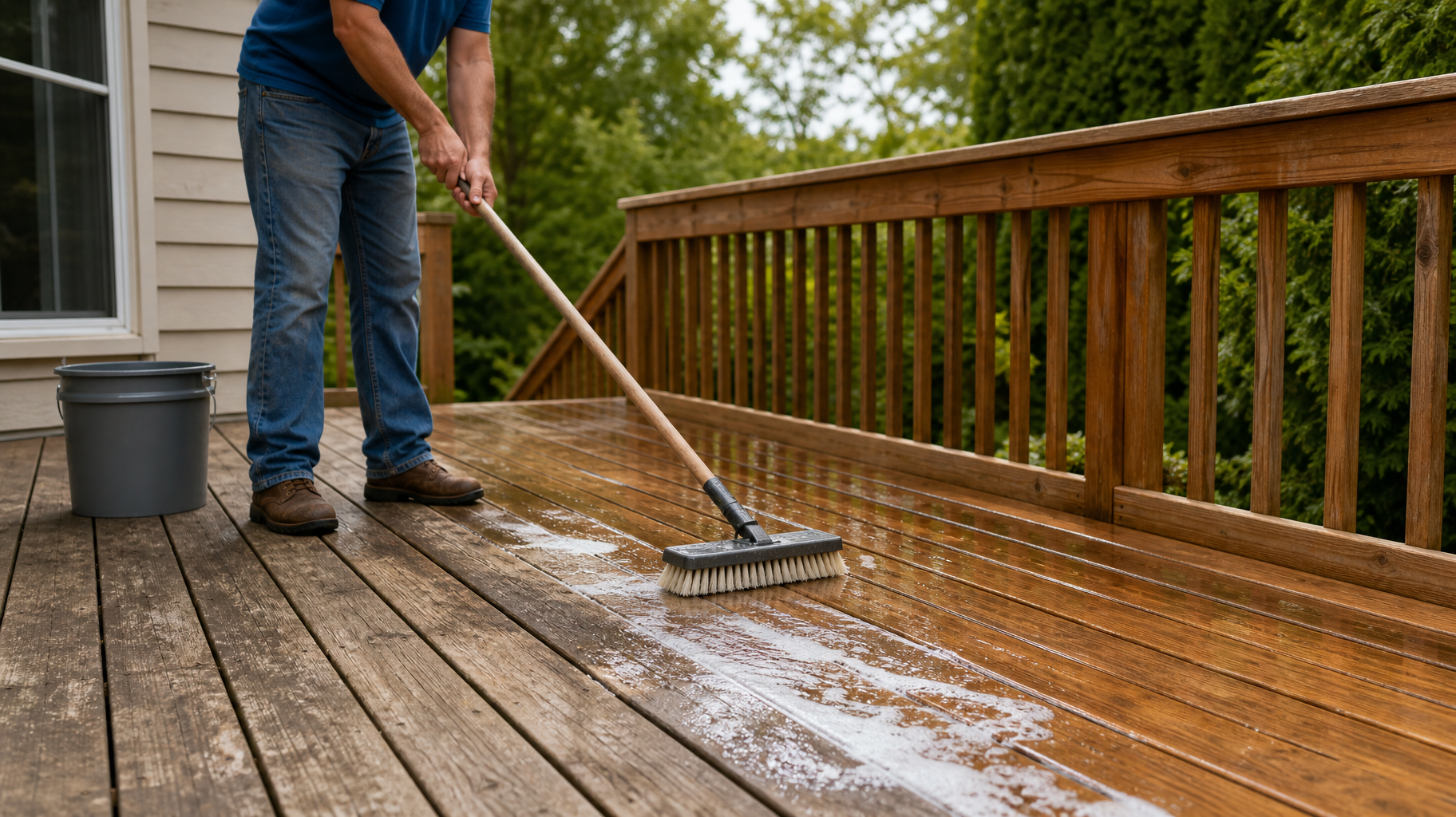
- Revitalize Your Deck: The Ultimate Guide to Deck Washing and Maintenance with HomeSmiles
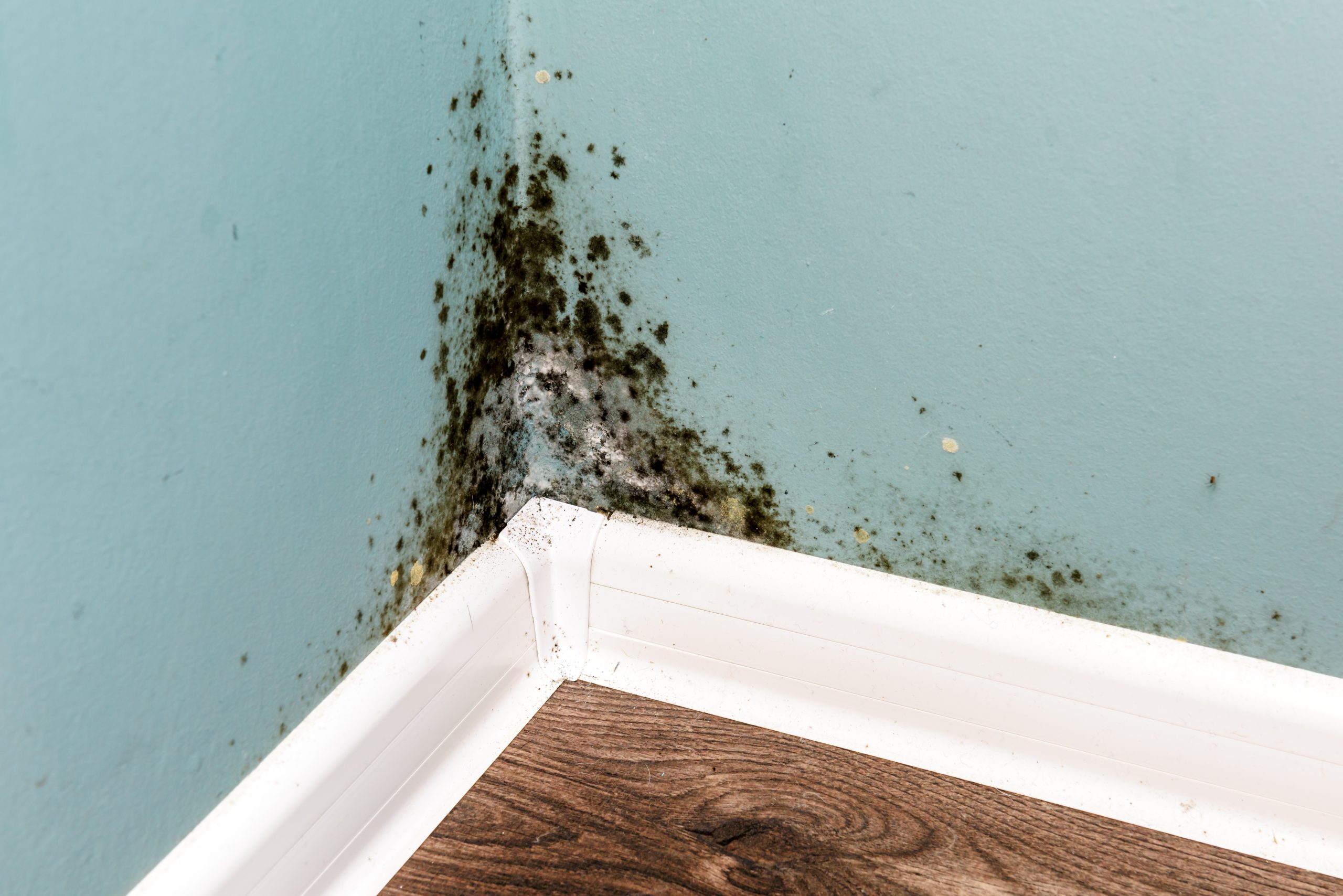
- Central Florida Home Care: Fighting Moisture, Mold, & Humidity with HomeSmiles Polk County
- 5 Reasons Louisville Homeowners Are Switching to Bundled Annual Home Maintenance
- San Antonio Home Maintenance: Expert Care for Limestone, Stucco, & Tile Roofs
- Solar Panel & Roof Washing: Maximizing Energy Efficiency in Solar-Powered North Texas Homes