

How to Protect Your Durham Home from Mold and Moisture Damage
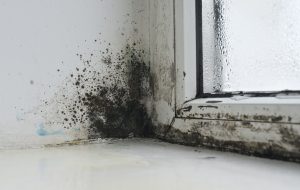
Mold is not an abstract risk in Durham. It is a predictable consequence of owning a home in the Piedmont, where a wet spring, a humid summer, and a dense tree canopy keep surfaces shaded and damp for months at a stretch. If you live in Trinity Park, Hope Valley, or any of the wooded neighborhoods that make Bull City worth living in, understanding how moisture finds its way into your property is the first step in keeping it out.
Moisture does not typically enter a Durham home through a single dramatic failure. It enters through accumulation, through several small pathways working together over time.
Gutters and the foundation perimeter.
Durham’s spring rainfall is heavy and consistent. When gutters are blocked by oak and pine debris from March and April, that water does not disappear. It spills over the side of the gutter, runs down the exterior wall, and saturates the red clay soil at the base of your home. Red clay holds moisture exceptionally well, which is why it is so good for gardens and so difficult for foundations. Water pooling against the foundation perimeter creates hydrostatic pressure and contributes to the basement moisture that feeds mold growth in lower-level spaces. The fix is drainage that actually works, cleared gutters and downspouts routing water well away from the structure.
Exterior wall surfaces.
The north-facing and shaded sides of Durham homes are close-to-ideal environments for mold and mildew. Shade plus moisture plus organic debris from the canopy creates the conditions for algae and mold to establish on siding, painted surfaces, and masonry. Once established, this growth holds additional moisture against the surface and acts as a pathway for water infiltration, particularly with the fiber-cement siding common in newer Durham construction. Professional soft-washing removes growth at the biological root and significantly slows re-establishment.
Window seals and weatherstripping.
Durham’s summer humidity pushes into any gap it can find. Failed seals around windows and doors allow humid outdoor air into wall cavities, where it can condense against cooler interior surfaces and promote hidden mold growth. These failures happen gradually under the heat cycling of a North Carolina summer. Catching them during a seasonal inspection, rather than when mold appears on a bedroom wall, is the difference between a sealant replacement and a remediation project.
Exhaust vents and bathroom moisture.
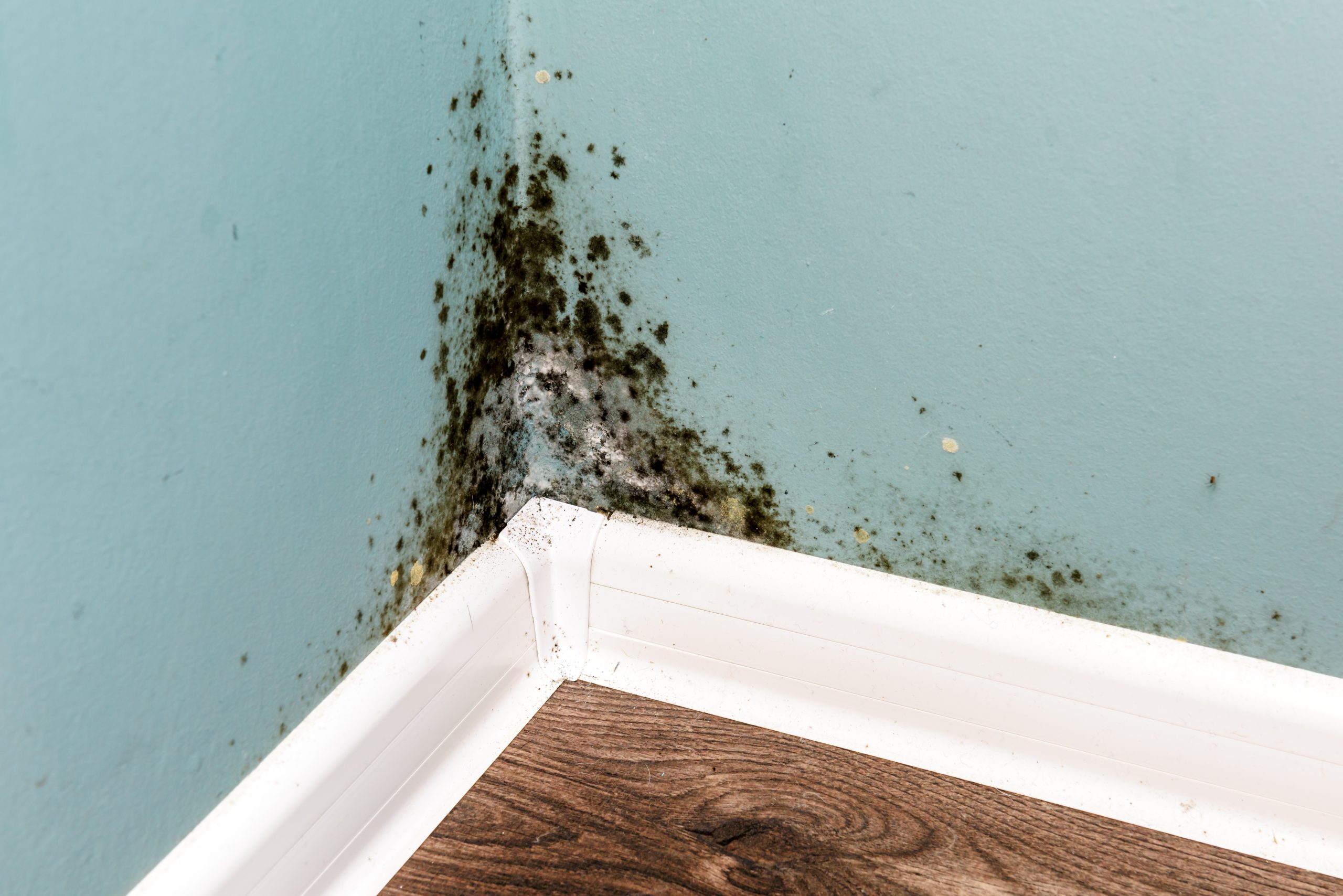
Bathroom exhaust fans that are clogged or underperforming trap humid air in the ceiling above every shower. In Durham’s climate, a bathroom ceiling that stays damp regularly is a ceiling that eventually grows mold in the wall assembly behind the paint. This kind of damage is invisible until it is significant, which is exactly why it gets expensive.
Protecting a Durham home from mold and moisture is not a one-time project. It is a maintenance rhythm that keeps the pathways closed, season after season.
Schedule your HomeSmiles service in Durham, NC today, or ask about our $99/month plan that covers these priorities year-round.
Related Posts

- Revitalize Your Deck: The Ultimate Guide to Deck Washing and Maintenance with HomeSmiles
- Central Florida Home Care: Fighting Moisture, Mold, & Humidity with HomeSmiles Polk County
- 5 Reasons Louisville Homeowners Are Switching to Bundled Annual Home Maintenance
- San Antonio Home Maintenance: Expert Care for Limestone, Stucco, & Tile Roofs
- Solar Panel & Roof Washing: Maximizing Energy Efficiency in Solar-Powered North Texas Homes