

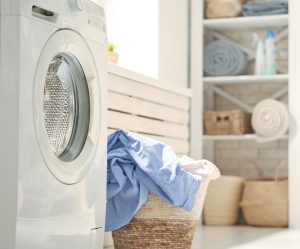
Why Dryer Vent Cleaning Is Essential for Fire Safety in Durham Homes
Walk through Trinity Heights, Watts-Hillandale, or any of the bungalow neighborhoods near Duke’s East Campus and you’ll see the same story on repeat: a 1930s cottage with a new addition tacked on the back, a converted garage laundry room, or a basement finished out for extra living space. Durham’s renovation boom has been good for square footage. It has not been good for dryer vent design.
The Renovation Blind Spot: When a laundry room moves from its original spot to a garage, basement, or new addition, the dryer vent has to travel further to reach the outside wall. Contractors working around joists, plumbing, and existing framing often solve that problem with extra elbows, flexible foil ducting stuffed into tight cavities, or runs that exceed what the dryer manufacturer ever designed for. Every bend and every extra foot gives lint more surface area to catch on. A vent that was compliant on installation day can still be a fire hazard if it was never sized for the distance it’s actually covering.
Newer Doesn’t Mean Safer: A common assumption is that a newer, more efficient dryer solves this problem on its own. It tends to do the opposite. High-efficiency dryers run hotter and push more air to dry clothes faster, which means a partially blocked vent heats up faster too. Pairing a new dryer with an old or poorly routed vent run is one of the more overlooked risks we run into inside Durham homes, especially ones renovated in the last several years.
The Landlord Question: For the rental stock near Duke, NCCU, and downtown, this isn’t only a homeowner issue. Property managers running units with in-unit laundry are responsible for equipment that turns over tenants every year, often with nobody checking the vent between move-outs. If a fire starts in a rental unit and the vent hadn’t been serviced, that’s a liability question landlords would rather answer before it happens than after.
A professional vent assessment checks more than lint buildup. It measures actual airflow at the exterior vent hood, checks duct length and bend count against manufacturer specs, and flags any run that needs to be reworked rather than just cleaned. That’s the difference between a vent that passes a quick glance and one that’s actually safe.
Get a dryer vent safety assessment as part of your HomeSmiles 365 visit. Schedule your Durham appointment today.
Related Posts
- Revitalize Your Deck: The Ultimate Guide to Deck Washing and Maintenance with HomeSmiles
- Central Florida Home Care: Fighting Moisture, Mold, & Humidity with HomeSmiles Polk County
- 5 Reasons Louisville Homeowners Are Switching to Bundled Annual Home Maintenance
- San Antonio Home Maintenance: Expert Care for Limestone, Stucco, & Tile Roofs
- Solar Panel & Roof Washing: Maximizing Energy Efficiency in Solar-Powered North Texas Homes