Carbon Monoxide Is Invisible. Your Alarm Check Should Not Be.
November is Carbon Monoxide Awareness Month, and the reason it lands in November is simple. Carbon monoxide risk is a heating season risk. Furnaces, boilers, water heaters, fireplaces and space heaters all start running daily, windows stay shut, and the house that was ventilating itself all summer is now sealed.
Carbon monoxide has no color, no smell and no taste. There is no version of paying attention that detects it. The only thing in the house that can is a working alarm, and the word doing the work in that sentence is working.
The two questions almost nobody asks
Most homeowners test an alarm the way everyone was taught. Press the button, hear the beep, move on. That test confirms one thing: the horn and the battery work. It does not confirm the sensor works.
So there are two questions, not one.
Does it respond? The test button is still worth pressing, on every unit, as part of a seasonal routine.
Is it still within its service life? This is the one that gets missed. Carbon monoxide and smoke sensors degrade over time whether or not they ever detect anything. Most carbon monoxide alarms are rated for somewhere between five and ten years from the date of manufacture, and smoke alarms are typically rated for ten. After that, the unit can pass a button test and still fail to detect the thing it was installed for.
The manufacture date is printed on the back of the housing. Take the unit off the mount and read it. If there is no date, the alarm is old enough to replace on that basis alone.
Placement matters as much as function
An alarm in the wrong place is a slower alarm. Carbon monoxide alarms belong on every level of the home and outside each sleeping area, close enough to wake someone. Smoke alarms belong inside bedrooms as well as outside them. A single unit in a hallway, which is what a lot of older homes still have, leaves most of the house uncovered.
Worth checking while you are up there: whether anything has been mounted directly next to a supply vent or a ceiling fan, where moving air can delay detection.
Why this one deserves a schedule
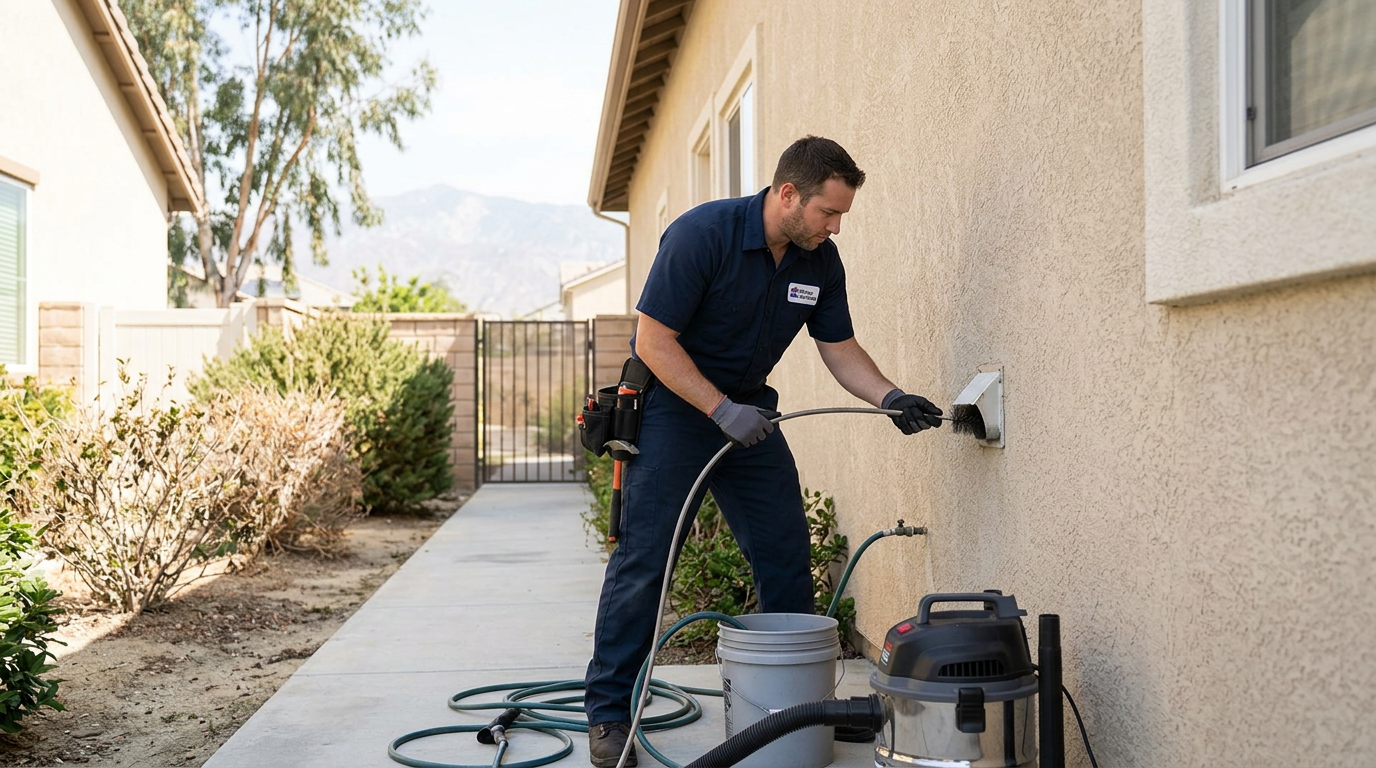
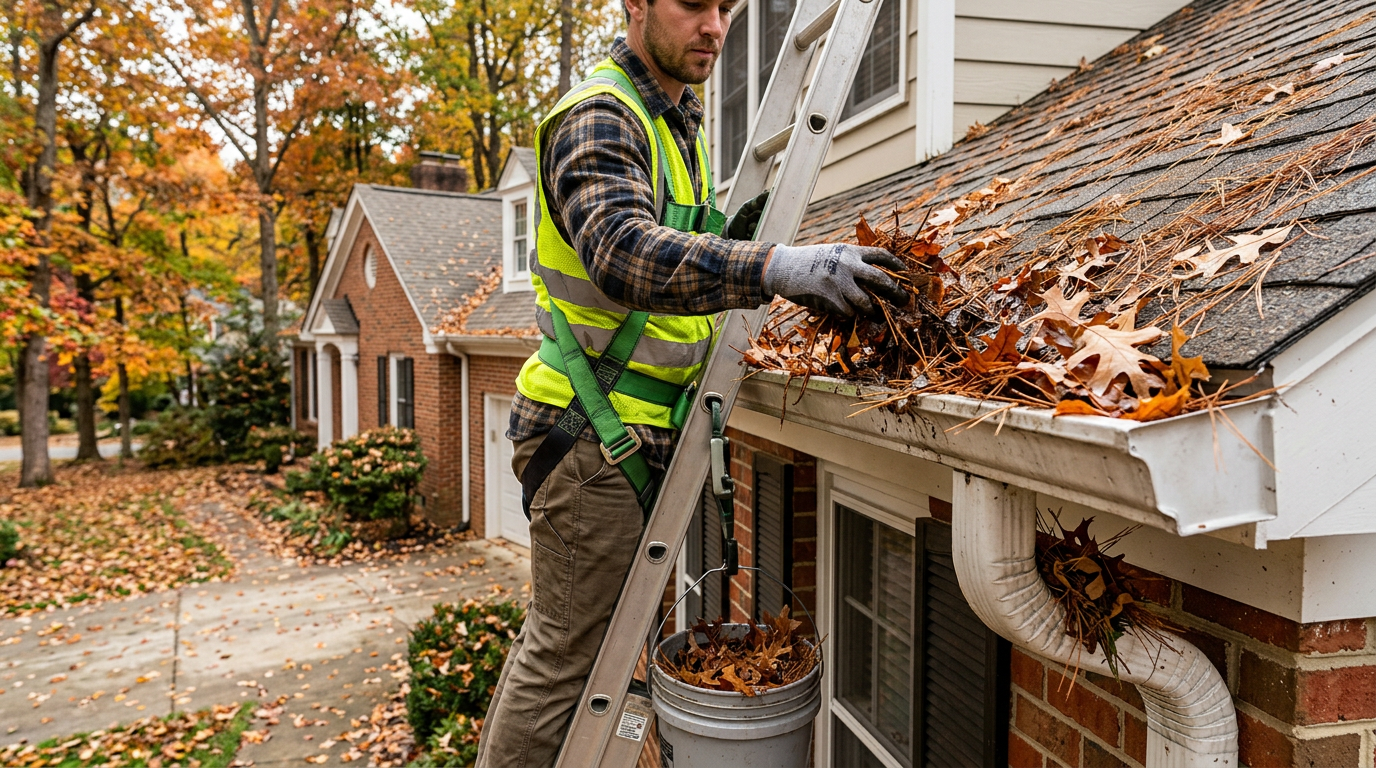
Every other item on a maintenance list announces itself eventually. A clogged gutter overflows. A loaded filter shows up on the bill. A loaded dryer vent leaves clothes damp. An expired carbon monoxide alarm gives no signal at all. It sits on the wall looking exactly like a working one, and the first time its condition matters is the first time it needs to do its job.
That is why alarm checks are on every HomeSmiles 365 visit, with the units tested, the dates read and the result written down. Not because testing an alarm is hard, but because the gap between the last time it was checked and today is the only number that matters, and almost nobody knows theirs.
Walk the house this month. Read the dates. Then put it on a schedule so next November is not another guess.
Walk the house this month and read the dates. Then let HomeSmiles carry the schedule, so this is one less thing to remember between family plans and holiday prep.
Ask about HomeSmiles 365. Less to remember. More time for what matters.