Dryer Vent Cleaning in Rancho-Upland: Why Now
Your weekends keep disappearing into home maintenance. The frustrating part is that the tasks eating those weekends are usually the visible ones, while the items that actually carry risk sit quietly undone because nothing about them looks urgent.
The dryer vent is the clearest example in a Rancho Cucamonga or Upland home. It moves a hot, high volume stream of air through a hidden duct several times a week for years, and there is nothing in the house that will tell you when it stops doing that properly.
What the Inland Empire does to a vent line
The local condition is dust, and there is a reason it is worse here than in most places.
Rancho-Upland sits at the mouth of the Cajon Pass, which means Santa Ana winds funnel through and arrive loaded with fine grit. A single wind event coats the whole house, and that grit works into fabric, into screens and eventually into the laundry. It mixes with lint and compacts into a dense layer rather than the loose fluff a dryer can push out.
Low humidity does the rest. Dry lint stays light and highly combustible, and it carries a static charge that makes it cling to the duct wall instead of traveling the length of the line.
Then the nights get cold. Inland Empire temperatures drop sharply once fall sets in, and a vent line running through an unheated attic gets genuinely cold overnight. Warm exhaust against a cold duct wall leaves moisture behind, and dust and lint set up on that surface.
Add the heavier laundry that comes with cooler weather, and a duct that was fine in September is working harder by November.
How to tell from inside the house
· A load that used to dry in one cycle now needs two, or comes out damp in the middle.
· The dryer is hot to the touch at the end of a cycle rather than warm.
· The laundry room feels humid or smells of hot lint while the machine runs.
· The exterior vent flap barely moves with the dryer going.
That last one is a thirty second test and the most reliable of the four. Start a load, step outside, hold a hand near the vent hood. You want a strong, warm, steady push of air. Weak airflow means a restricted duct.
Why restriction is the risk
A restricted duct traps heat against dry, lint heavy material inside a wall, where no homeowner can inspect it and no smoke alarm will catch it early. It also forces the appliance to run far longer than it was designed to, which shows up on the power bill every cycle and takes years off the machine.
Why the gutters come with it
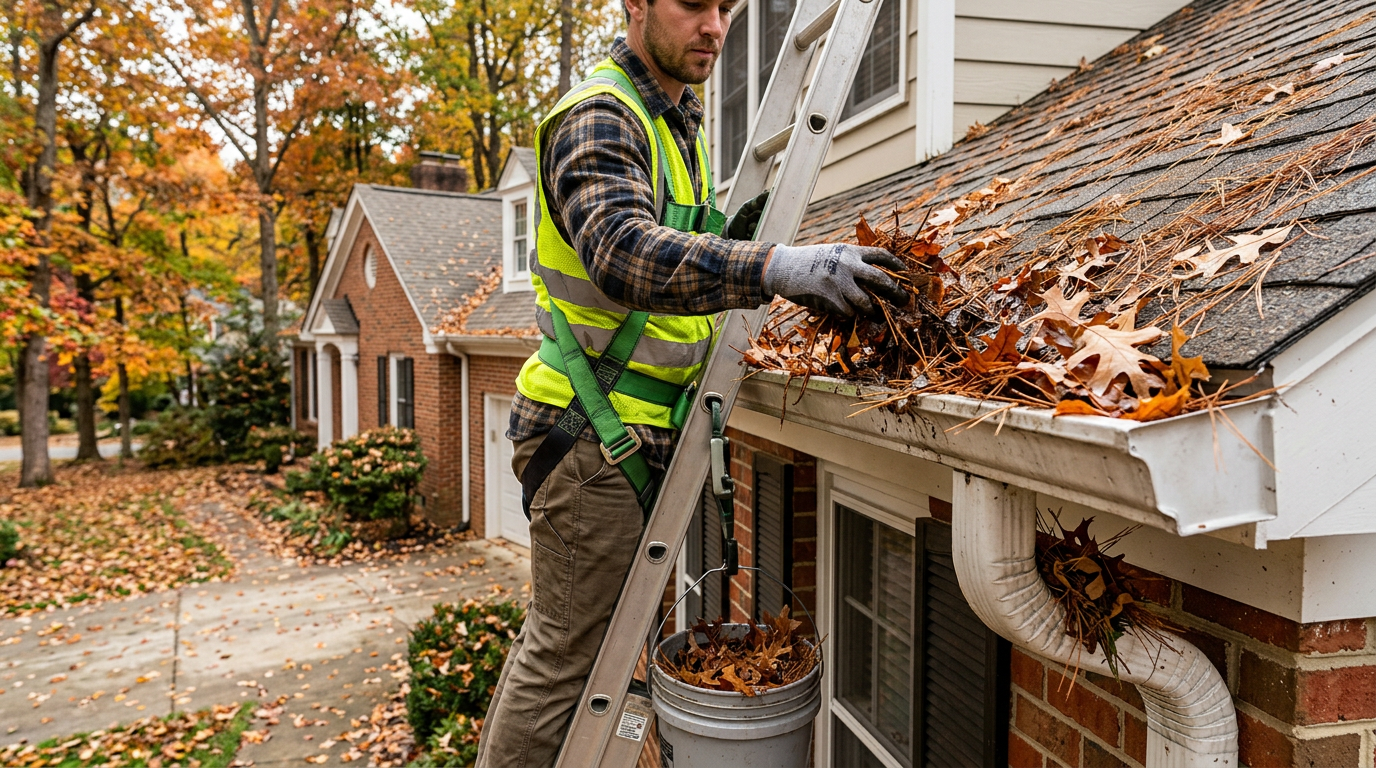
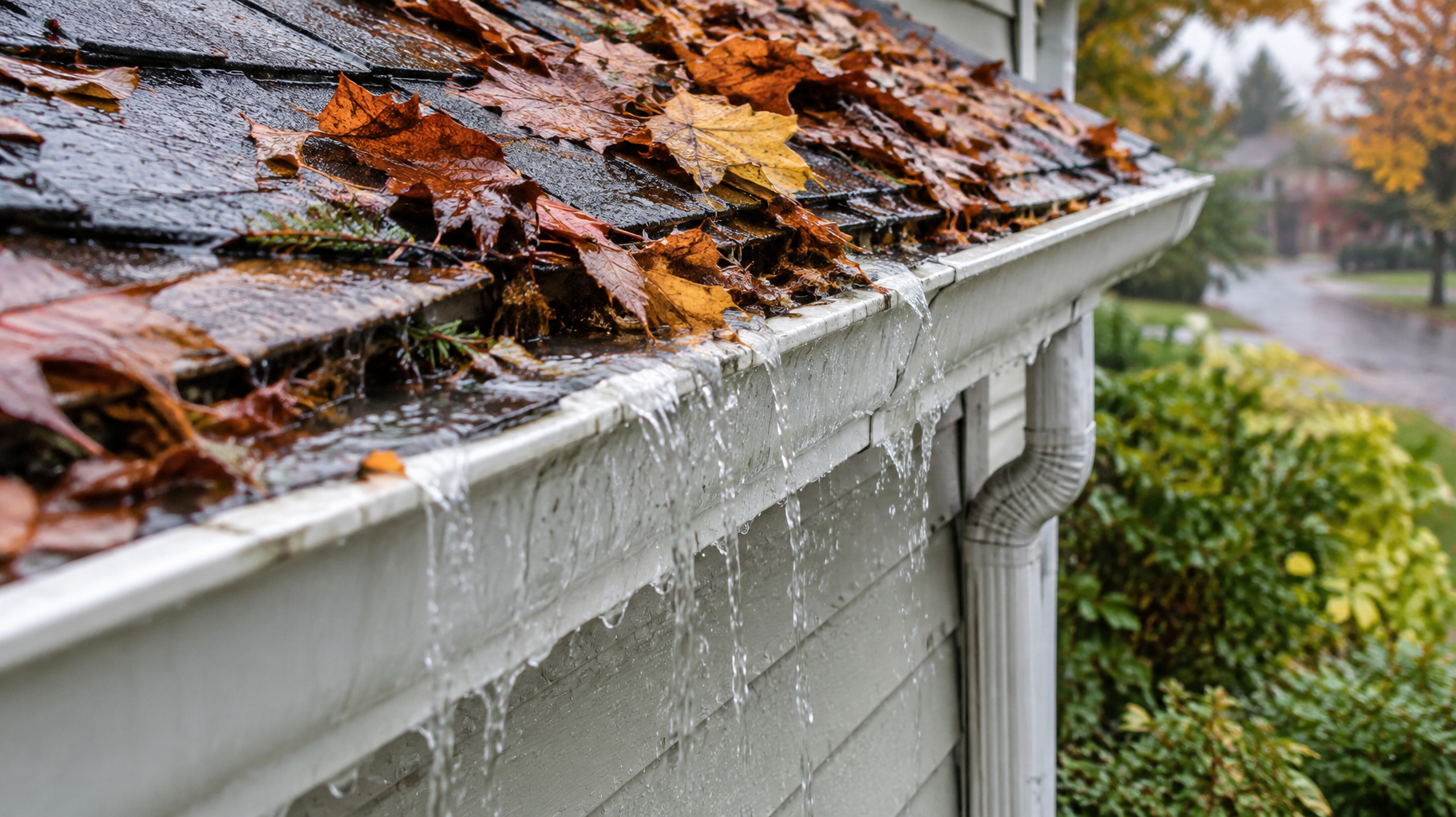
Southern California gets nearly all of its rain in a short winter window, which means the first real storm of the season tests a drainage system that has been collecting dust, eucalyptus litter and dry season debris since last spring. Eucalyptus is the local complication: the leaves are tough and waxy and the seed pods are small and hard, and together they pack into a trough and jam at the downspout outlet.
When the storm arrives, it arrives in volume. A loaded system will not pass it, and the overflow goes to the base of the house, which on the sloped lots common along the foothills means water channeling in the same direction every time.
Putting both on a schedule
Clearing a vent means the full length of the line, including the bends where lint builds fastest, plus the exterior hood and flap, which collect their own dust and stop opening freely. Airflow gets verified at the discharge point rather than assumed from the laundry room.
On HomeSmiles 365 the vent is checked and the downspouts tested on every quarterly visit, with the condition documented.
Fall is busy. Laundry should not take all day. Between school mornings, family visits and holiday prep, HomeSmiles Rancho-Upland handles the cleaning so you can get back to your people.
Book your dryer vent cleaning.