

Pressure Washing in Miami: Preventing Long-Term Exterior Damage
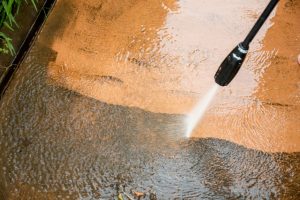
The intense Miami sun combined with our thick, year-round subtropical humidity creates the absolute perfect breeding ground for organic growth. Black streaks on barrel-tile roofs and thick layers of dark mildew climbing up beautiful stucco walls are a constant challenge for homeowners across the 305. When this organic film becomes highly visible, the immediate instinct for many property owners is to rent a high-powered pressure washer for a quick DIY cleanup. However, in our coastal environment, using raw, brute-force water pressure is often the exact moment a cosmetic blemish transforms into permanent material damage.
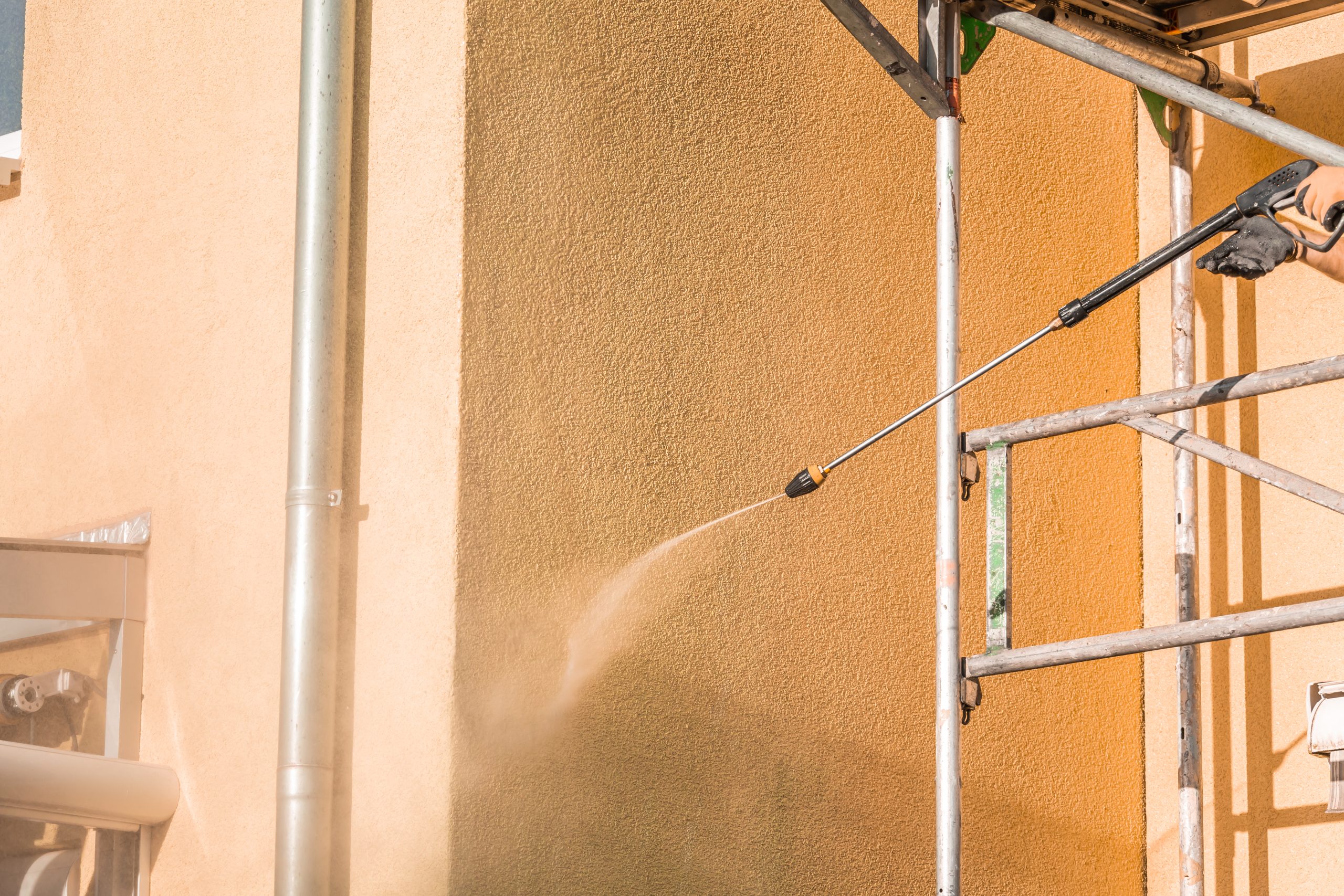
Blasting delicate Florida stucco, coral stone, or masonry with high-pressure water strips away protective exterior coatings and erodes the underlying material. Even worse, high-pressure water actively forces moisture deep through micro-cracks in your home’s seals, trapping it inside your wall cavities where the heavy humidity prevents it from ever evaporating. This creates an invisible breeding ground for toxic internal mold outbreaks that ruin your indoor air quality and cost thousands to remediate. True preservation relies on specialized soft-washing techniques. At HomeSmiles, we utilize low-pressure delivery combined with biodegradable, anti-fungal solutions to kill the biological spores at the absolute root. This safely lifts the grime and ensures the dark film doesn’t immediately return, keeping your exterior shell protected and extending the life of your paint for years.
Safeguard your stucco and wipe out biological growth safely by scheduling a professional HomeSmiles soft-wash treatment or joining our $99/month program right now.
Related Posts
- Revitalize Your Deck: The Ultimate Guide to Deck Washing and Maintenance with HomeSmiles
- Central Florida Home Care: Fighting Moisture, Mold, & Humidity with HomeSmiles Polk County
- 5 Reasons Louisville Homeowners Are Switching to Bundled Annual Home Maintenance
- San Antonio Home Maintenance: Expert Care for Limestone, Stucco, & Tile Roofs
- Solar Panel & Roof Washing: Maximizing Energy Efficiency in Solar-Powered North Texas Homes