

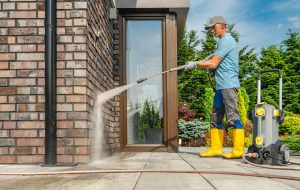
Pressure Washing vs. Soft Washing: What’s Best for San Antonio Homes?
The distinction between pressure washing and soft washing matters more in San Antonio than in most parts of the country. Understanding it protects you from making an expensive mistake on your home’s exterior.
Both methods use water and equipment to clean exterior surfaces. The difference is in the pressure applied and whether chemistry is doing the work.
Pressure washing
Pressure washing uses high-pressure water to physically remove dirt, debris, and organic growth from a surface. It works well on hard, durable materials that can handle the force: concrete driveways, thick masonry, certain pavers in good condition.
The problem is what it does to surfaces that were not built for that kind of force. Vinyl siding, painted stucco, limestone block, older brick, and wood trim are all vulnerable. High-pressure water does not just clean the surface; it drives into existing cracks and gaps, behind paint, and into the pores of porous materials. The cleaning looks good immediately. The moisture trapped behind the siding or inside the wall shows up as paint failure, mold, or rot weeks or months later. In North San Antonio, where limestone block and stucco are the most common exterior materials, high-pressure washing strips paint adhesion and forces water into naturally porous stone. This is a material compatibility problem, not just a cautionary note.
Soft washing
Soft washing uses low pressure, similar to a garden hose, combined with biodegradable cleaning solutions. The chemistry does the work the pressure does not. The solution penetrates organic growth and kills it at the biological root rather than blasting the surface clean. The result lasts significantly longer because you are addressing the cause, not just the symptom. Growth that was pressure-washed comes back quickly because the root structures were never touched. Growth that was soft-washed stays gone.
For most North San Antonio home exteriors, soft washing is the correct approach. The Texas Green algae and mold on limestone and stucco is killed effectively by a proper soft-wash treatment. On roofing material, soft washing is the only safe option; high pressure on asphalt shingles strips the granules that protect them from UV.
The practical breakdown
Concrete driveway and sidewalks: pressure washing is appropriate. Brick walkways and pavers in good condition: generally fine. Stucco, limestone, painted siding: soft washing is correct. Wood decking and fencing: soft washing with appropriate wood solutions. Roof surfaces: soft washing only.
HomeSmiles uses soft washing for home exteriors because it is the approach that removes the biological growth without damaging the material underneath. In Bexar County’s climate, where that growth is persistent and damaging, the distinction matters.
Book your HomeSmiles exterior soft-wash service in North San Antonio today, or ask about our $99/month subscription plan.
Related Posts
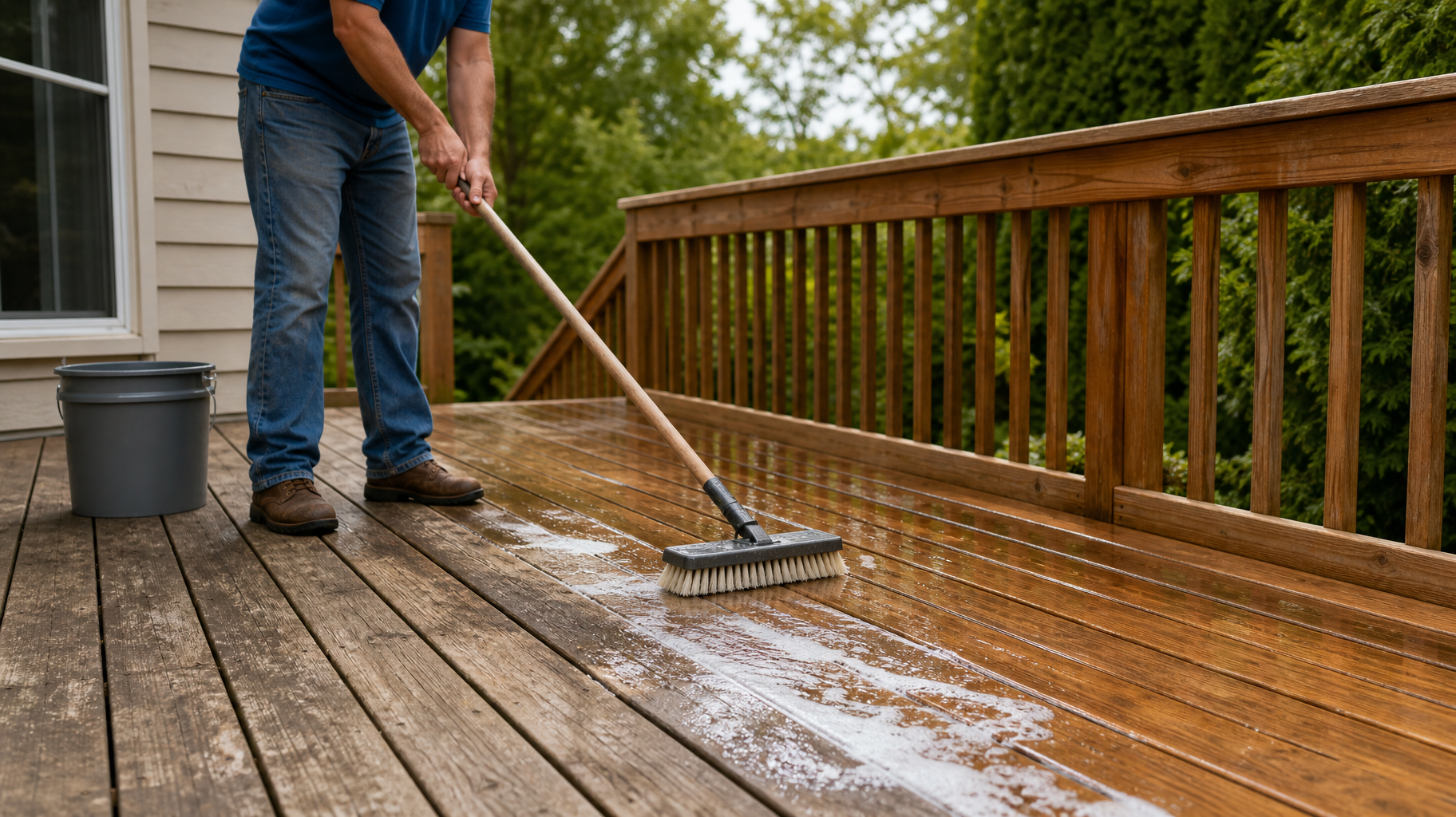
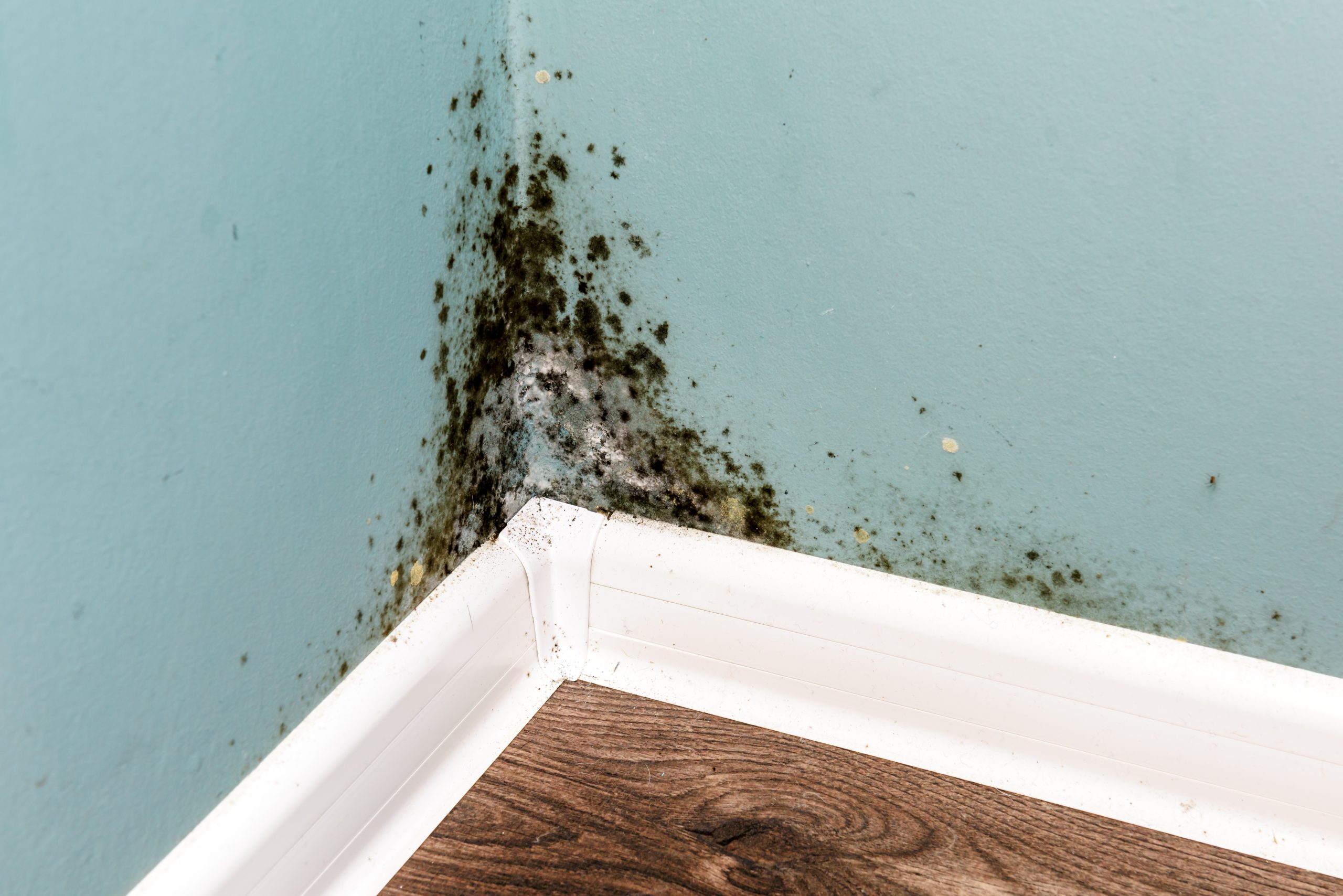
- Revitalize Your Deck: The Ultimate Guide to Deck Washing and Maintenance with HomeSmiles
- Central Florida Home Care: Fighting Moisture, Mold, & Humidity with HomeSmiles Polk County
- 5 Reasons Louisville Homeowners Are Switching to Bundled Annual Home Maintenance
- San Antonio Home Maintenance: Expert Care for Limestone, Stucco, & Tile Roofs
- Solar Panel & Roof Washing: Maximizing Energy Efficiency in Solar-Powered North Texas Homes