


The Complete Home Maintenance Checklist for San Antonio Homeowners
Most home maintenance checklists are built for generic conditions. Change the furnace filter every three months. Clean the gutters in fall and spring. Inspect the roof annually. In North San Antonio, generic conditions do not apply. The limestone soil, triple-digit summers, clay foundation dynamics, and year-round biological growth pressure create a maintenance calendar that a generic checklist gets about halfway right.
Here is what actually belongs on it for a Bexar County home.
April and May: before summer peaks
Clear the dryer vent completely. A vent with any significant lint accumulation going into a Texas summer is a fire risk, and July is when the ambient conditions make a restricted duct most dangerous. Get ahead of it.
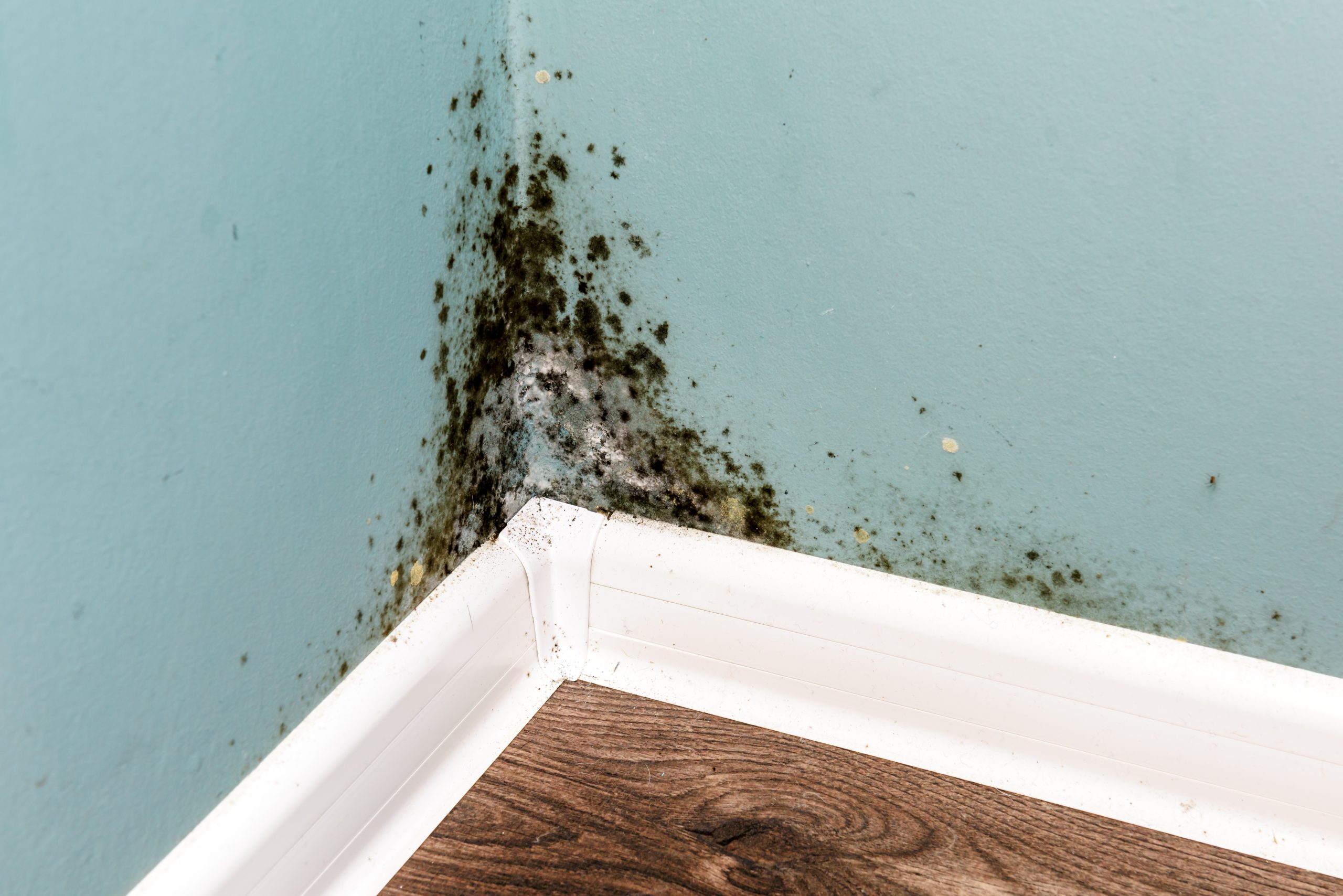
Inspect exterior caulk and sealant around windows, doors, and wall penetrations. Caulk that cracked over winter or dried under the previous summer’s UV exposure will fail when the first sustained heat arrives. Failed seals raise your CPS Energy bill and allow humid air into wall cavities where it condenses and promotes hidden mold growth.
Flush gutters and downspouts. Spring oak pollen creates a compacted mat in gutter troughs that does not flush out on its own. Clear it before rainy season.
June through September: summer
Check north-facing and shaded exterior walls for organic growth. The Texas Green algae and mold that builds on limestone, stucco, and painted surfaces thrives in summer humidity. A soft-wash treatment removes it before it degrades your exterior finish. This is less a cosmetic task than a material preservation one.
Keep HVAC filters changed on schedule. A system running 24 hours a day through July and August against a clogged filter is running with restricted airflow, which raises energy costs and shortens equipment life significantly.
October and November: after summer
Inspect everything the summer UV stressed. West and south-facing caulk and paint take the most punishment. October is when you can see what the summer actually did to your seals and finishes.
Soft-wash the exterior surfaces before fall. Clearing organic growth before the cooler months removes a season’s worth of buildup.
Re-inspect gutters. Fall debris from live oaks and cedar elms packs troughs ahead of winter rains.
Year-round
Test smoke and CO detectors every six months. Both have sensor lifespans in addition to battery requirements. Any unit over ten years old should be replaced.
Clean window tracks and door hardware of limestone grit. This is not cosmetic. Grit in window channels destroys weatherstripping steadily, and lost weatherstripping costs you in HVAC efficiency every day of the summer.
HomeSmiles 365 handles the scheduled items on this list across four visits per year, timed to the San Antonio climate calendar.
Start your HomeSmiles 365 plan or book a one-time service in North San Antonio today. Plans start at $99/month.
Related Posts

- Revitalize Your Deck: The Ultimate Guide to Deck Washing and Maintenance with HomeSmiles
- Central Florida Home Care: Fighting Moisture, Mold, & Humidity with HomeSmiles Polk County
- 5 Reasons Louisville Homeowners Are Switching to Bundled Annual Home Maintenance
- San Antonio Home Maintenance: Expert Care for Limestone, Stucco, & Tile Roofs
- Solar Panel & Roof Washing: Maximizing Energy Efficiency in Solar-Powered North Texas Homes