

The Most Overlooked Home Safety Risks in Northeast Tarrant County Homes
Most homeowners in the Mid-Cities know to test their smoke detectors and keep the staircase clear. These matter. They also get most of the attention, which means the risks that operate quietly and out of sight tend to get very little.
In Northeast Tarrant County homes specifically, here are the safety issues that consistently go unaddressed.
Bathroom exhaust fans.
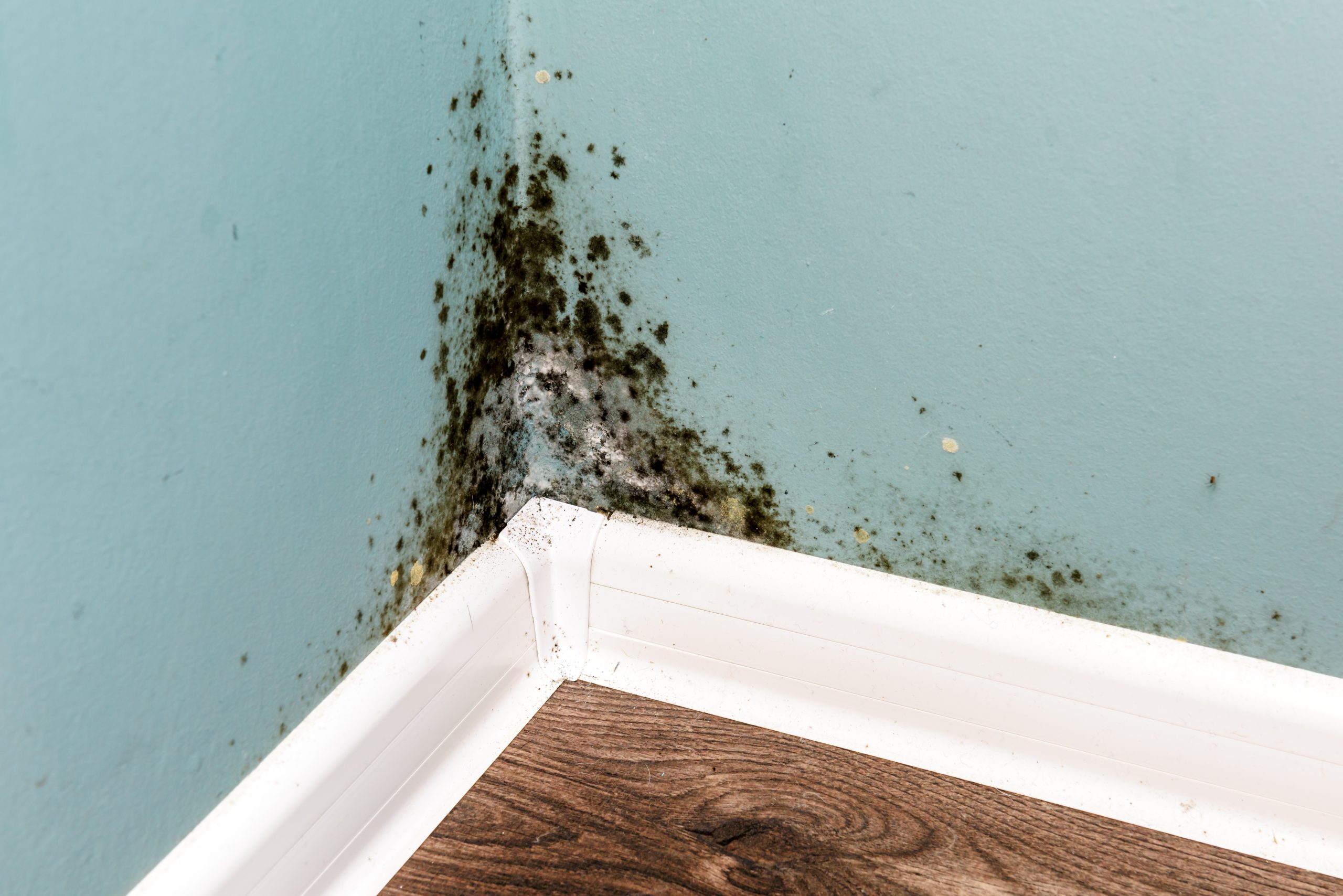
Most homeowners never think about these unless one stops working. But a bathroom fan clogged with dust and debris is not pulling moisture out of the bathroom effectively, and in a North Texas home where summer humidity is already intense, that moisture stays in the ceiling and wall assembly above. Over time, this creates hidden mold growth inside the ceiling cavity, which is one of the most common and expensive surprises in local homes. It is not visible from the bathroom. It develops behind the paint and drywall, and the first sign most homeowners see is discoloration near the ceiling or a musty smell that will not go away.
Carbon monoxide from gas appliances in winter.
Southlake and Keller homes frequently have gas furnaces, gas water heaters, and gas ranges. When these appliances are serviced infrequently and a Blue Norther drives several consecutive days of heavy heating use, incomplete combustion and compromised flue pathways become a real risk. Carbon monoxide is odorless and colorless. A detector on the wall is necessary but not sufficient. Knowing that your combustion appliances and their exhaust pathways are in good working order is what the detector is supposed to back up, not replace.
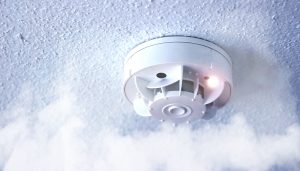
Smoke detector placement.
Most homeowners install detectors and leave them in place indefinitely. But home renovations, room repurposing, and additions change the layout in ways that affect where detectors actually need to be positioned. A detector mounted in the wrong location, too close to a kitchen, too far from sleeping areas, may not respond to a fire in time to make a difference. The NFPA requires placement inside each bedroom, outside each sleeping area, and on every level. Many Mid-Cities homes built or modified over the years have coverage gaps worth reviewing.
Range hood and kitchen exhaust buildup.
Grease accumulates in range hood filters and exhaust pathways faster than most homeowners realize, particularly in households that cook regularly. A saturated filter means cooking smoke and steam stay in the kitchen rather than venting out. More critically, grease-loaded filters are a fire risk at exactly the moment risk is highest: when the stove is running hot.
Algae and organic growth on walkways.
This one is not mechanical, but it belongs here. Algae and mold growth on concrete walkways, driveway aprons, and front steps become genuinely slippery after rain. In a North Texas fall where afternoon rains are common and temperatures drop quickly, a pressure-washed walkway is a safety measure, not just a cosmetic improvement.
HomeSmiles addresses several of these during regular service visits, including safety sensor checks and verification, exterior cleaning, and vent inspections.
Book your HomeSmiles safety service in Northeast Tarrant County today. Subscriptions start at $99/month.
Related Posts

- Revitalize Your Deck: The Ultimate Guide to Deck Washing and Maintenance with HomeSmiles
- Central Florida Home Care: Fighting Moisture, Mold, & Humidity with HomeSmiles Polk County
- 5 Reasons Louisville Homeowners Are Switching to Bundled Annual Home Maintenance
- San Antonio Home Maintenance: Expert Care for Limestone, Stucco, & Tile Roofs
- Solar Panel & Roof Washing: Maximizing Energy Efficiency in Solar-Powered North Texas Homes