


How Durham’s Humid Summers Increase Hidden Home Maintenance Risks
July in Durham is not just hot. It is hot and saturated, the kind of heat where 95 degrees and 85 percent humidity make the outdoors feel like a physical obstacle. For homeowners, this combination does something beyond making yard work miserable. It creates the conditions where the gap between what you can see and what is actually happening inside your home grows widest.
The hidden maintenance risks in a Durham home peak in summer, and they come specifically from the collision of two competing environments: the aggressively cooled interior your HVAC is working to maintain and the high-heat, high-humidity exterior it is working against.
Condensation inside your walls.
When outdoor air at 95 degrees and 85 percent humidity finds any gap in your home’s envelope, whether through a failed window seal, a degraded door threshold, or a penetration around an electrical or plumbing fixture, it encounters a much cooler surface inside. That temperature differential causes condensation. The moisture that forms on the interior surfaces of your wall cavities does not dry quickly, because the ambient humidity outside is still high and your interior air is heavily conditioned. Sitting moisture inside a wall cavity in a Durham July is an invitation to mold growth that neither surface gives you any indication of until it is significant enough to produce a smell, a stain, or a structural concern.
Crawl space vulnerability in summer.
Many Durham homes, particularly in older neighborhoods like Watts-Hillandale and Old North Durham, have vented crawl spaces. During summer months, this means warm, humid exterior air cycles through the crawl space continuously. The wooden structural elements above are cooler than the incoming air, causing condensation on floor joists and subfloor material. This is one of the most consistently overlooked sources of hidden mold and structural wood damage in Piedmont homes. It is also invisible without physically going into the crawl space, which very few homeowners do in July.
What summer does to your drainage systems.
The pollen and organic debris that accumulated in gutters through spring is now compressed and cooking in summer heat. Decomposing organic matter is denser and more resistant to water flow than fresh debris. Summer thunderstorms in the Triangle arrive fast and heavy, and a gutter carrying six months of compacted material is working against every one of them. When gutters overflow against the exterior wall and pool near the foundation, the red clay soil in Durham absorbs it and holds it near the structure. Over a full summer of this, the foundation perimeter stays saturated longer than it should.
Exterior seal failures and what follows.
North Carolina’s summer heat cycles cause significant expansion and contraction in caulk, weatherstripping, and window glazing. Seals that were marginal in spring often fail completely by July. Once they fail, humid outdoor air finds a pathway into the wall assembly, where the cool interior surface causes condensation. By the time a homeowner notices the result, usually as a stain near a window corner or a soft spot in a baseboard, the moisture has been sitting for weeks.
None of these are catastrophic failures in the moment. They are slow, invisible problems that arrive as repair bills months or years later. Addressing the drainage, envelope, and exterior conditions that summer creates most urgently is exactly the work seasonal maintenance is designed to do.
Schedule your HomeSmiles service in Durham today, or ask about our $99/month plan.
Related Posts
- Revitalize Your Deck: The Ultimate Guide to Deck Washing and Maintenance with HomeSmiles
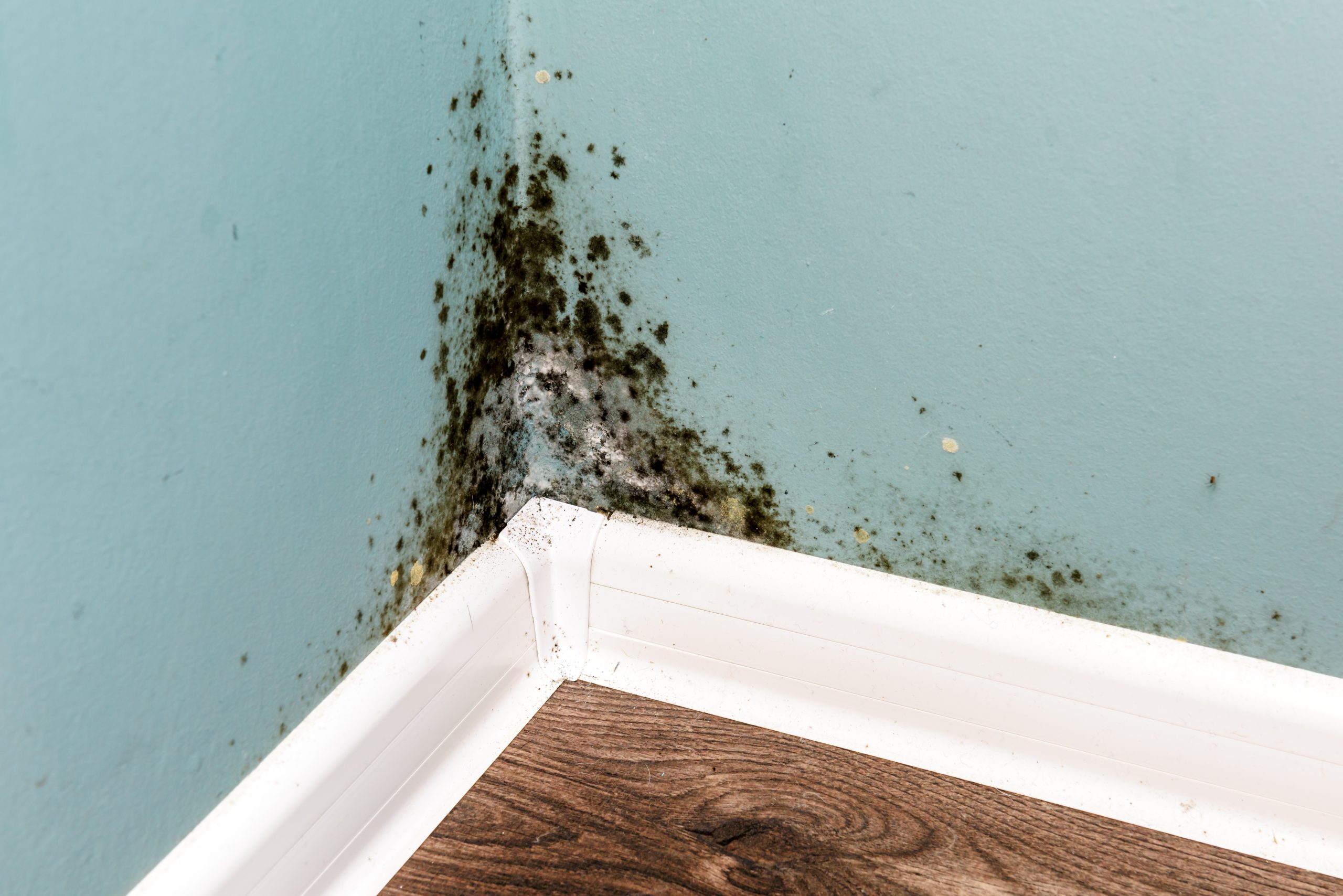
- Central Florida Home Care: Fighting Moisture, Mold, & Humidity with HomeSmiles Polk County
- 5 Reasons Louisville Homeowners Are Switching to Bundled Annual Home Maintenance
- San Antonio Home Maintenance: Expert Care for Limestone, Stucco, & Tile Roofs
- Solar Panel & Roof Washing: Maximizing Energy Efficiency in Solar-Powered North Texas Homes