


Hurricane Season Prep: 7 Home Maintenance Tasks Every Polk County Homeowner Should Do Now
Polk County sits far enough from either Florida coast that it rarely shows up on evacuation maps. That distance has led a lot of Lakeland, Winter Haven, and Bartow homeowners to underestimate their exposure. Inland does not mean unaffected. When a tropical system tracks across Central Florida, the rain is often the most destructive part, and Polk County’s record for single-event rainfall proves it. What matters is whether your home is ready to handle it.
These are the seven tasks that actually matter before the next significant system forms.
1. Clear and flush your gutters and downspouts.
When Central Florida storms drop two to three inches of rain in under an hour, a gutter carrying any significant debris load will overflow. Full stop. When gutters overflow during that kind of event, water runs directly down your exterior walls, saturates the soil at your foundation, and finds every gap in your exterior envelope. Clear the gutters, and critically, flush and pressure-test your downspouts to confirm water is making it through to the outlet. A downspout that drains slowly under normal rain is non-functional during a storm event.
2. Remove or secure hanging Spanish moss and dead tree debris.
The oak canopy and Spanish moss that define Polk County neighborhoods become airborne projectiles in high winds. Walk your property and identify any hanging limbs, heavy moss accumulations, or dead branches near your roofline, windows, or vehicles. Lighter cleanup can be handled yourself. Heavy trimming around roof lines is better left to professionals who can work without creating a different problem.
3. Inspect exterior seals and caulking around windows and doors.
Storm-driven rain moves horizontally, not just vertically. Water your home handles fine in a regular afternoon shower will find every compromised seal when wind is pushing it against your exterior at 50 miles per hour. Walk the perimeter and look for any visible cracking in caulk around window frames and door thresholds. Press your hand near the interior side of those frames during a windy day. Any draft means a gap worth sealing before the season intensifies.
4. Check your dryer vent exterior cap.
A clogged dryer vent creates a fire risk that is heightened during and after storms, particularly when power outages bring generator use into the picture. Beyond that, the exterior vent cap itself is a potential water intrusion point if the flap is stuck, damaged, or missing. While the dryer is running, step outside and verify the flap is opening fully and closes cleanly when the cycle ends.
5. Soft-wash your exterior surfaces.
Organic growth on stucco, siding, and painted surfaces holds moisture against your exterior envelope and degrades paint and sealant faster than the UV alone would. Before storm season, removing this growth gives you a cleaner surface, reduces the moisture load on your exterior, and lets you see what is actually going on structurally underneath.
6. Test all smoke and carbon monoxide detectors.
Generator use during and after storms is one of the leading causes of carbon monoxide incidents in Florida every hurricane season. Before any significant storm, test every detector in your home. Any unit older than ten years should be replaced. Make sure you have CO detectors on every level of the home, especially if you own a generator.
7. Verify your foundation drainage and grading.
On a dry day, walk your yard and look at where the grade slopes near your foundation. The ground should be sloping away from the house, not toward it. Low spots near the perimeter collect storm runoff and send it directly against your slab. Addressing grading issues before storm season is one of the least dramatic and most impactful things a Central Florida homeowner can do.
HomeSmiles covers several of these in a single visit. For items outside our scope, we will flag what needs attention so you can prioritize.
Book your pre-season HomeSmiles service in Polk County today, or ask about our $99/month 365 plan.
Related Posts
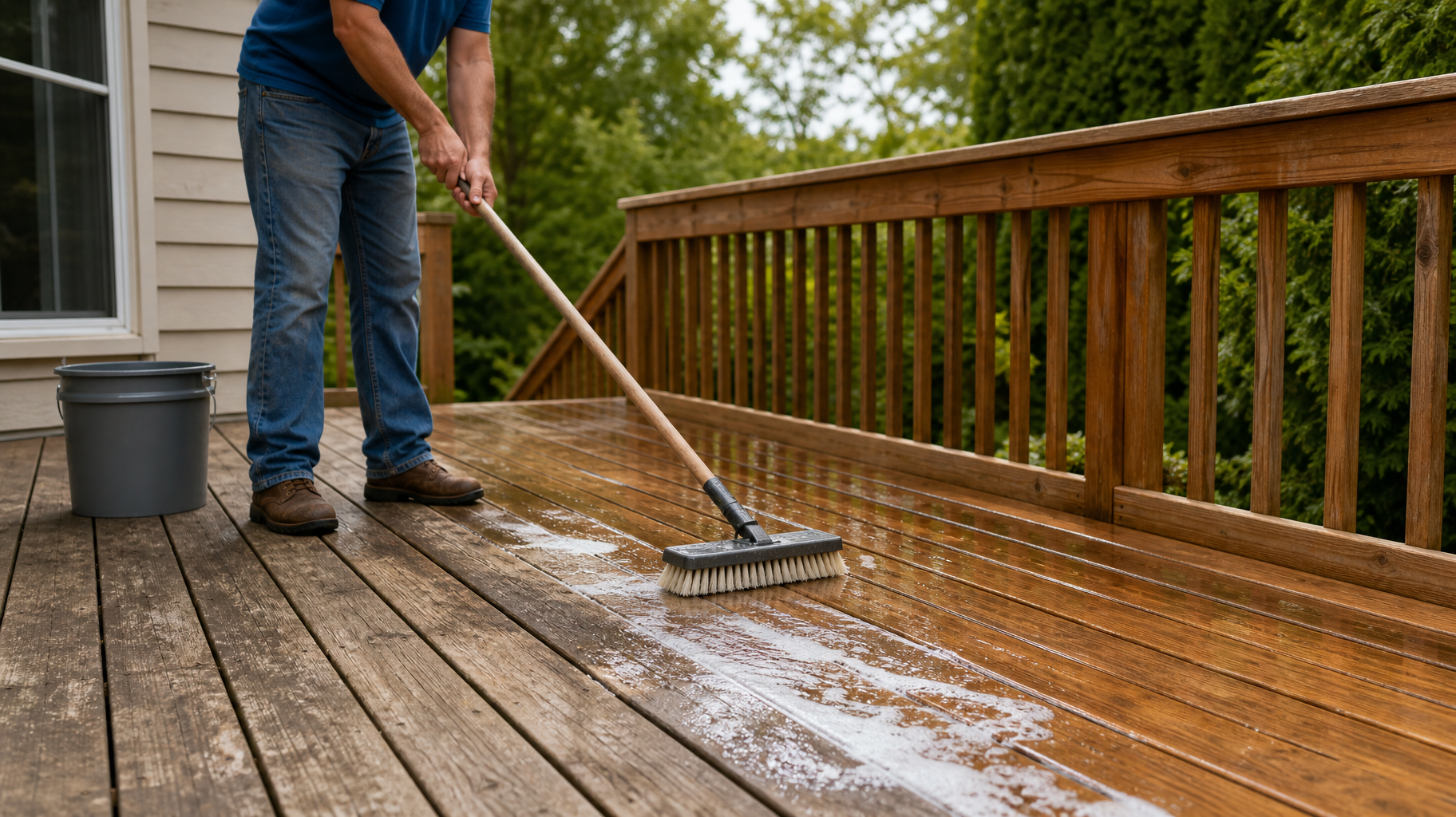
- Revitalize Your Deck: The Ultimate Guide to Deck Washing and Maintenance with HomeSmiles
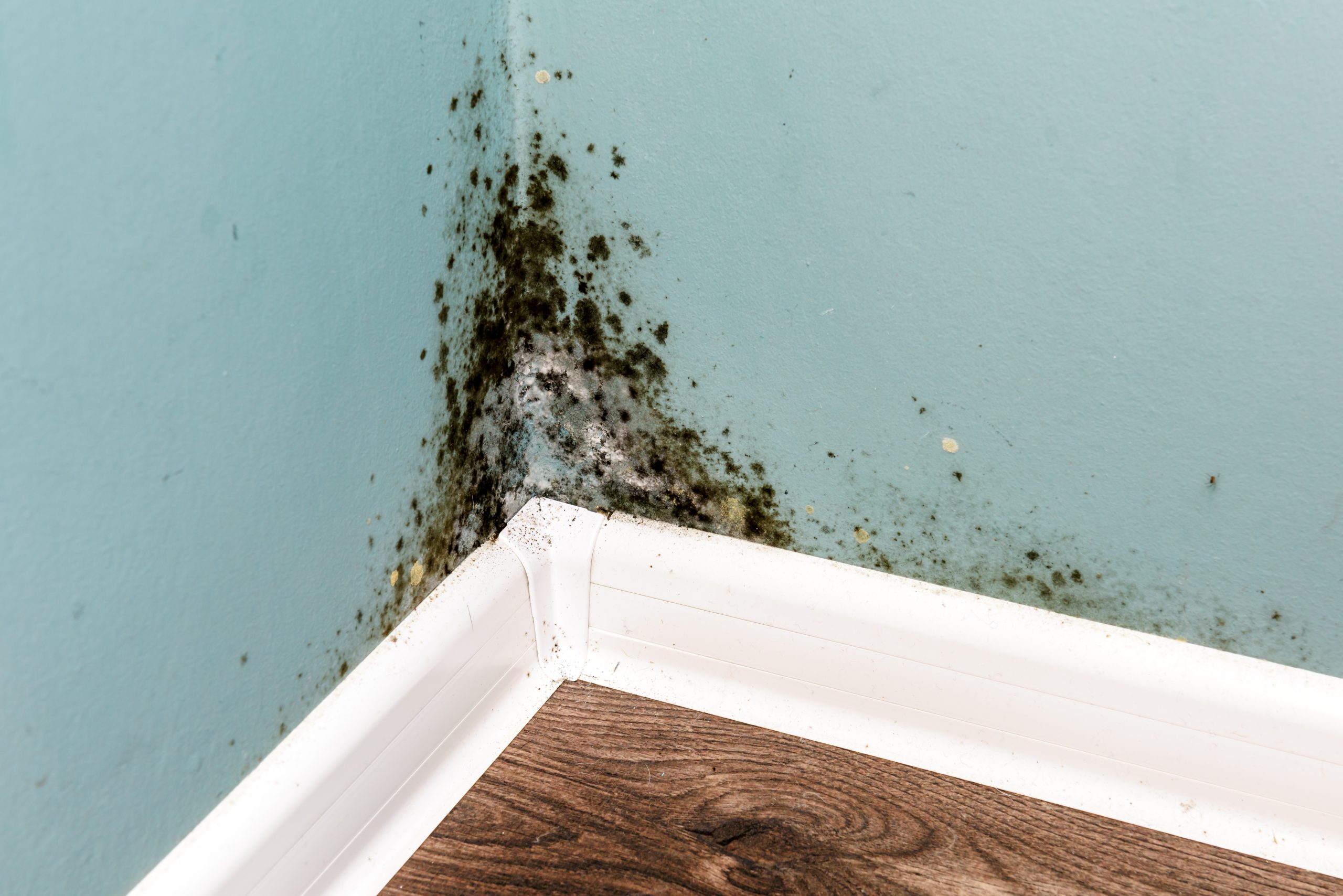
- Central Florida Home Care: Fighting Moisture, Mold, & Humidity with HomeSmiles Polk County
- 5 Reasons Louisville Homeowners Are Switching to Bundled Annual Home Maintenance
- San Antonio Home Maintenance: Expert Care for Limestone, Stucco, & Tile Roofs
- Solar Panel & Roof Washing: Maximizing Energy Efficiency in Solar-Powered North Texas Homes